Latest News Archives - Manpower Maine

Latest News

Latest News

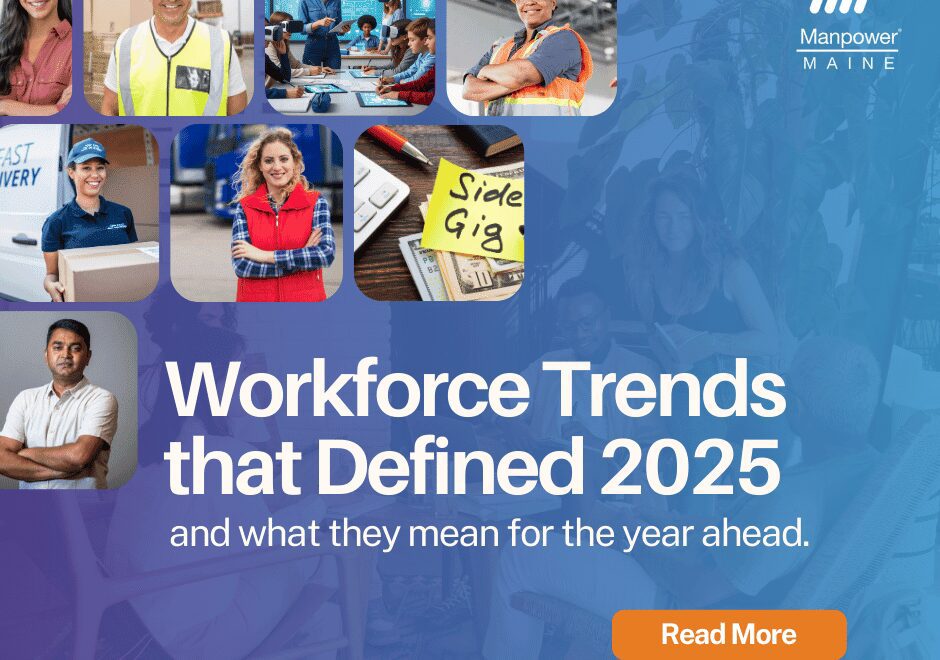
Workforce Trends That Defined 2025 – And What They Mean for the Year Ahead

As we close the books on yet another year, we want to reflect on some of the standout workforce trends that we saw take shape in 2025. These trends have impacted the work we do and believe they’ll continue to play a significant role in what all business leaders and hiring managers will focus on in 2026 and beyond.

Of course, we can’t possibly capture all changes or questions about what these trends mean for your business in one simple post, but by spotlighting the biggest topics that are already making an impact on day to day operations, our hope is to give you a clearer sense of where the workforce is headed – and what opportunities and challenges may be on the horizon.

Pay Transparency Is the Expectation

While Maine hasn’t introduced pay transparency laws yet, 16 other states now require some level of wage disclosure in job ads. That movement has pushed major job boards -including Indeed – to automatically display estimated pay ranges in postings across the country. Even in states without requirements, employers are feeling the ripple effect.

What We’re Seeing

  • Broader starting wage ranges in job ads, as employers work to remain competitive and visible in search results
  • Greater access to real-time market wage data, giving HR and talent teams stronger evidence when building business cases for pay adjustments or compensation strategy updates

The Challenges

  • Standing out beyond pay: When everyone is listing ranges, employers must elevate what differentiates them – culture, career growth, stability, flexibility – without falling back on clichés. This often means revamping recruitment marketing to better communicate your true value proposition
  • An increase in pay-driven applications: More candidates are applying based solely on the posted wage rather than assessing skills or job fit. As a result, HR teams are seeing higher applicant volume but more screening work, as many candidates may not meet the actual job requirements

Balancing Big Data, AI, & Automation

Technology is power, but with power comes responsibility. Big data, AI, and automation continue to rapidly advance – transforming how organizations recruit, assess talent, streamline operations, and forecast future workforce needs all while organizations scramble to find out how to leverage technology and analytics without losing the critical thinking and ethical components that can only be achieved through human touch.

What We’re Seeing

  • More companies embracing and using AI in the recruiting & hiring process: from initial screenings to skill-based assessments, helping hiring teams move faster while reducing repetitive administrative tasks
  • Growing reliance on workforce analytics to understand turnover trends, talent availability, and compensation competitiveness
  • Maintaining a human first & last approach: where AI and automation is involved but humans drive the process, make final decisions, and refine processes to ensure the best possible results
  • Applicants using AI and automation for resume writing and applying to jobs

The Challenges

  • Data security pressures: As companies collect more candidate and employee data, they are responsible for safeguarding that information, managing consent, and complying with evolving regulations
  • De-personalizing the experience: Candidates can tell when messages and engagement is overly-automated and that can negatively impact their experience
  • Making sure great people aren’t missed: Since AI learns from past data, even small inconsistencies can lead to strong candidates being filtered out before anyone sees their true potential

Evolving Workforce Governance & Employer Obligations

Throughout 2025, workforce regulations kept evolving, from visa classifications to DEI guidance to statewide paid leave requirements. It’s a lot for employers to keep up with. But at the heart of these changes is something simple: making sure people are supported and workplaces remain fair, safe, and sustainable.

What We’re Seeing

  • Rising anxiety among business leaders: the pace and uncertainty of changes coupled with traditional business demands have created an environment where many feel like they are fighting to keep their heads above water vs focusing on growth
  • Thoughtful outcomes-focused approach to DEI: Employers are approaching DEI with greater intention – focusing on initiatives that genuinely support their people, rather than broad or symbolic programs. The emphasis is on clear communication, equitable hiring, transparent development, and building workplaces where everyone feels valued and able to thrive
  • Passage of state-by-state workforce legislation: such as Maine’s Paid Family and Medical Leave program and Report to Work laws

The Challenges

  • Keeping up with constant legislative movement: the lack of clarity, shifting timelines, and limited legal support – businesses are finding it increasingly difficult to plan and roll out these changes with limited organizational disruption
  • Operational adjustments and workforce planning: New leave programs and compliance requirements often require updates to policies, handbooks, staffing models, and scheduling
  • Ensuring clarity and consistency across multistate operations: For companies that may have parent organizations in other states, or hire in multiple states – keeping up with the nuances can get very complex
  • Supporting people through times of change: As policies shift, employees often have questions and employers must be ready to communicate with transparency, empathy, and clarity to ease uncertainty

Demand for Dynamic Workforce Models

As business needs shift quickly, more organizations are leaning on a mix of fulltime employees, temporary talent, contractors, freelancers, and project-based workers to stay responsive.


What We’re Seeing

  • More employers embracing blended workforce strategies, combining permanent staff with temporary, contract, and gig talent to fill skill gaps and manage fluctuating demand
  • Growing interest in ondemand, gig-work, and projectbased staffing, especially in industries navigating unpredictable workloads or expanding rapidly. This also impacts a growing group of candidates that require more flexibility and autonomy when it comes to their schedules
  • Greater appreciation for the value of specialized contingent workers, who can bring fresh expertise and keep teams moving without long onboarding cycles

The Challenges

  • Managing compliance and worker classification: As workforce models expand, so does the need to stay aligned with evolving labor regulations and clear distinctions between employee types
  • Willingness to rethink what you have always done: just because a staffing/scheduling model has worked “well enough” in the past – doesn’t mean that some creative adjustments couldn’t achieve results you dream of
  • Ensuring clarity in roles and expectations: Dynamic models require strong processes so work doesn’t become fragmented or unevenly distributed
  • Supporting managers through complexity: Leading teams with a mix of employee types requires new skills—from onboarding contingent talent effectively to ensuring everyone feels supported and engaged

At the heart of every business – no matter the trends, technologies, or economic shifts – are the people doing the work. The people at the center of your business are the reason results happen and organizations grow. That’s why it’s more important than ever to partner with a staffing provider who not only understands the latest workforce trends and navigates regulatory change but also puts people first.

And that’s exactly why businesses and job seekers continue to choose Manpower.

Whether you need support today or you’re planning for the future, we’re here – ready to listen, ready to adapt, and ready to deliver the talent and partnership you can count on.

Potential over pedigree
Latest News

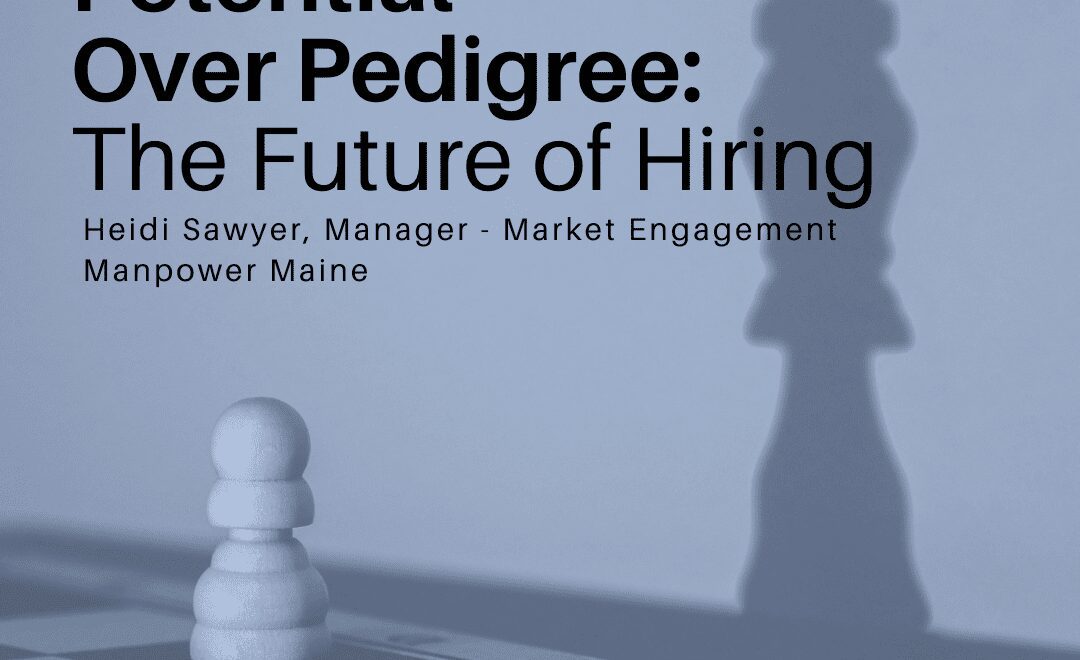
Potential Over Pedigree: The Future of Hiring

Potential Over Pedigree: The Future of Hiring

by: Heidi Sawyer, Manager, Market Engagement - Manpower Maine

The greatest hiring challenge today isn’t a talent shortage — it’s tunnel vision. Too many organizations chase pedigree when they should be cultivating potential.

In defining what “qualified” looks like, companies often become so exacting that they overlook people who could excel in the role. Exceptional talent slips through the cracks not because it lacks ability — but because it lacks the “right” label.

The truth is: pedigree doesn’t predict performance — potential does. Strict degree or experience requirements not only vastly limit your talent pool, but they also often leave you missing out on some candidates that will not only succeed – sometimes excel – in moving your business forward.

Here’s how you can hire for potential without compromising on quality.

Screen Candidates In — Not Out

Shift your mindset

Traditional hiring tends to focus on weeding people out. But the future really belongs to companies that know how to bring the right people in — people who can grow, adapt, and learn as the world (and the work) keeps shifting around us.

A “screening in” mindset is about seeing what someone can do, not just where they’ve worked or what titles that they’ve had. It puts value on transferable skills, curiosity, grit, and real potential to grow. Yes, past experience matters — but in a world that’s always changing, it’s just as important to have people who can change right along with it.

When employers get clear about the skills and behaviors that truly lead to success — and hire based on those things instead of strict, ‘sounds-good-on-paper’ checklists — they discover a vast talent pool they might have otherwise overlooked.

This approach expands the talent pool in the US 15.9x according to a Recent LinkedIn study. This  improves diversity, and fuels retention. Hiring for potential means building the next generation of leaders, not just filling roles.

Distinguish “Essential” from “Added-Value” Skills

Many job descriptions are overloaded with “nice-to-haves” that masquerade as must-haves, resulting in longer hiring cycles, smaller candidate pools, and missed opportunities.

Start with outcomes. Identify the top three to five results that define success in the role — then work backward. What skills and competencies are truly essential to achieving those outcomes?

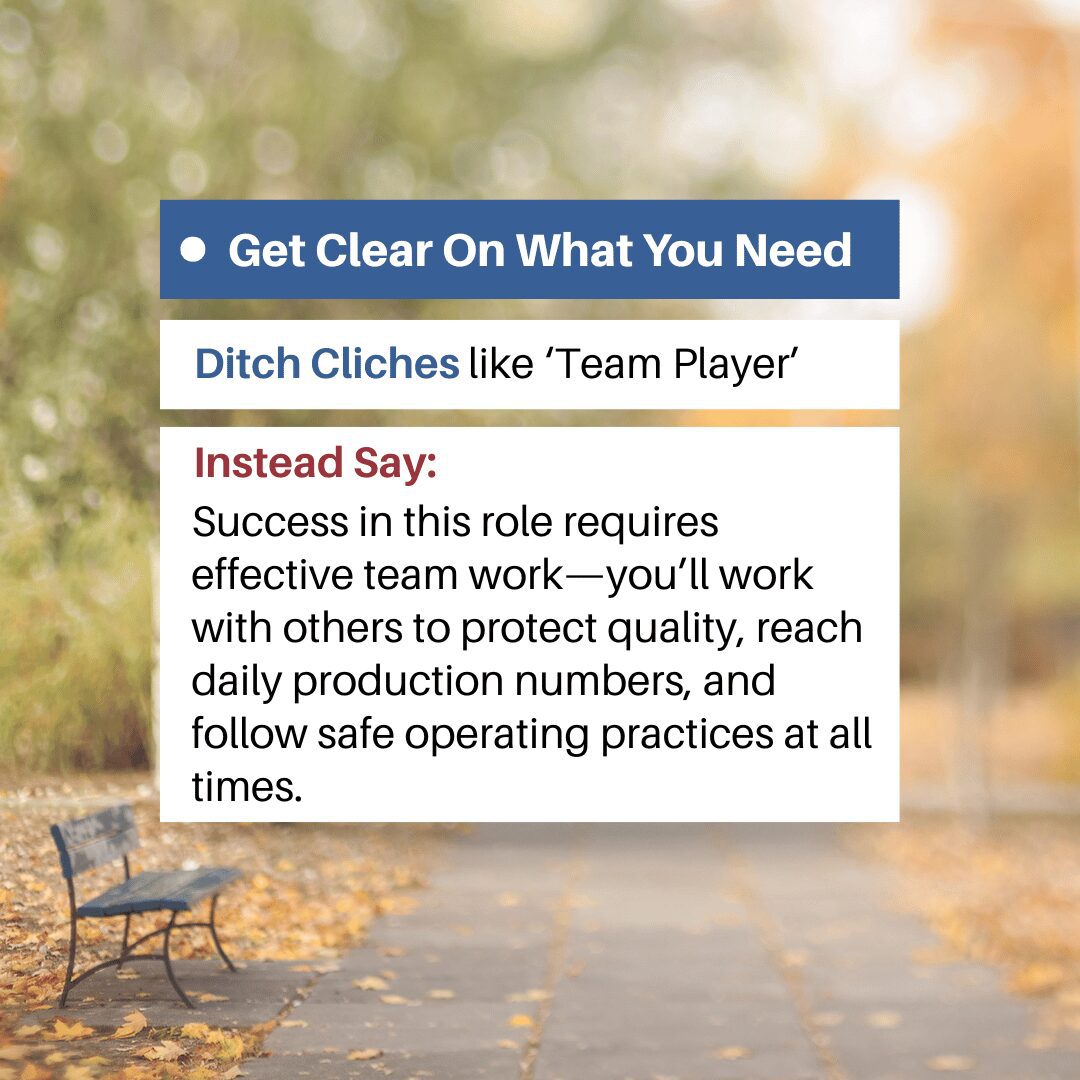
Define them in plain language — ditch clichés like “team player” or in favor of terms such as “Success in this role requires effective team work—you’ll work with others to protect quality, reach daily production numbers, and follow safe operating practices at all times.”

Go beyond the job posting. Talk with employees and leaders who understand what drives results on the front lines. Their input helps you see what truly matters in the role — and what’s just noise.
From there, take time to think about the real challenges someone in this job will face.

Then, look at the practical challenges that come with the job and what it really takes to handle them well. When you clearly distinguish what’s truly essential from what’s just “nice to have,” you create space for talented candidates who have the right abilities — even if their backgrounds don’t look traditional on paper.

Create a Structured Interview Rubric

Structure doesn’t box you in — it creates a fair playing field. What’s a rubric? Simply, it is a clear, structured scoring guide that covers what you are evaluating and how you’re evaluating it. They help maintain consistency by using a numeric anchored rating scale (1-5) which helps reduce unintended bias when evaluating candidates.

When building a rubric, begin by listing the necessary skills to succeed in this specific role that you will be evaluating:

For example, if you’re hiring a Customer Service Manager, you’re likely looking for things like:

  • Leadership: Scheduling, coaching, supporting the team, and performance management
  • Technology: Proficiency with Microsoft Office, Teams, SharePoint, and other CRM tools
  • Communication: The ability to motivate, handle tough conversations, and de-escalate situations with confidence
  • Problem Solving: Spotting errors, improving processes, and helping the team tackle technical challenges

Once you have identified all the skills you are looking for – what specific interview questions will you be asking? For example:

  • How do you handle scheduling conflicts between staff during peak demand? How was it resolved?
  • Can you share a time when you had to give someone tough feedback? How did you approach it, and what happened afterward? Would you change how you handled things at all?
  • Think back to a moment when a customer was really frustrated or upset. How did you handle the situation, and what helped calm things down?

Most scoring rubrics include a small comment box where interviewers can capture brief notes or standout quotes from a candidate’s response.

Don’t Guess — Assess

Anyone can claim they can do anything — but there is substantial power in evidence.

Validated assessments give you real, reliable data so you can make decisions you feel confident about — without relying on gut instinct or being swayed by someone’s résumé style or background. When you put candidates through the same assessments, you have an opportunity to compare ‘apples to apples’ – and this is a strong piece of data when making a hiring decision.

One thing to always keep in mind is that it is only one piece of data in the whole picture so the results should inform but not dictate your decision. Test anxiety is a widely accepted psychological phenomenon which can skew the results of employment-based skills assessments especially when the outcome can be substantial.

Hold Panel or Peer Interviews — Strategically

Panel Interviews

When done effectively, Multiple perspectives improve hiring decisions. In order for it to be done effectively, you need to ensure that everyone involved in interviewing is trained on the same criteria and knows how to apply it consistently.

When you include peers in the interview process you can gain insight from candidates that may not get shared with those that candidates view in positions of power. There is also something to be said about showing a candidate how you value staffs opinion on hiring matters, and it also helps peers become more invested in the success of the candidates that they select in the hiring process.

Pro Tip: To avoid unnecessary delays – and to keep candidates from disengaging – schedule all interviews for the same day if possible. Have back-up interviewers or virtual options available to prevent scheduling bottlenecks.

Leverage the Working Interview

No process — resumes, interviews, or assessments — reveals fit like real work.

Working interviews or temp-to-hire arrangements give both sides a chance to “test the waters” in a real work setting. Employers get to see how someone actually performs, how they mesh with the team, and how they handle day-to-day challenges. At the same time, candidates get a feel for the culture, the expectations, and what it’s really like to work there.

30–90 day working interviews are a winning strategy for top employers across Maine and the country. The key is decisive action: when you find a strong performer, make an offer quickly. Great talent doesn’t wait — and neither should you.

Discover how a Working Interview can transform your hiring process.

Manpower has been an industry leader in this proven approach for decades, helping businesses reduce risk, improve fit, and hire with confidence. Request your free staffing consultation to learn how you can leverage the power of working interviews to build a stronger, more dependable workforce.

The Takeaway

Choosing potential over pedigree doesn’t just help you find great employees — it helps you build a workforce that’s ready to move your company forward now and in the future. Companies that embrace this approach win on two fronts: they fill roles more quickly and they create workplaces where people stick around, keep learning, and grow their careers.

That’s more than good hiring practice — it’s how modern organizations stay strong and adaptable in a constantly changing world of work.

📚 References

American Psychological Association. (2022). Test anxiety: How it affects performance. APA Dictionary of Psychology & Research Summaries.

Campion, M. A., Campion, E. D., & Campion, M. C. (2023). Structured interviews: Best practices for improving reliability and validity. Journal of Applied Psychology.

Levashina, J., Hartwell, C. J., & Morgeson, F. P. (2022). The structured panel interview: Enhancing fairness and predictive validity. Personnel Psychology.

LinkedIn Economic Graph. (2023). Skills-first: How to build a skills-based organization.

McKinsey & Company. (2022). Taking a skills-based approach to building the future workforce. McKinsey Organizational Performance Practice.

Putwain, D. W., & Symes, W. (2022). Test anxiety and academic performance: A meta-analytic review. Educational Psychology Review.

SHRM. (2022). Using assessments in the hiring process. Society for Human Resource Management Talent Acquisition Research.

Smith, P. C., & Kendall, L. M. (2022). Behaviorally anchored rating scales: Development and application. In Handbook of Industrial and Organizational Psychology. (Original work published 1963)

Latest News

Bridging the Generational Divide: Finding Balance with AI and New Technology

AI Divide in the Workplace

Bridging the Generational Divide: Finding Balance with AI and New Technology   

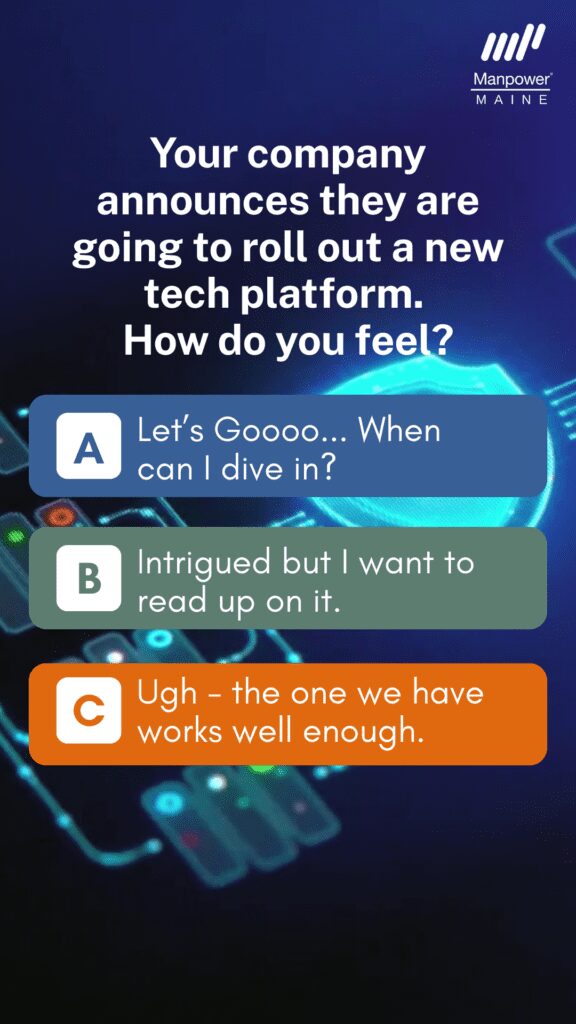
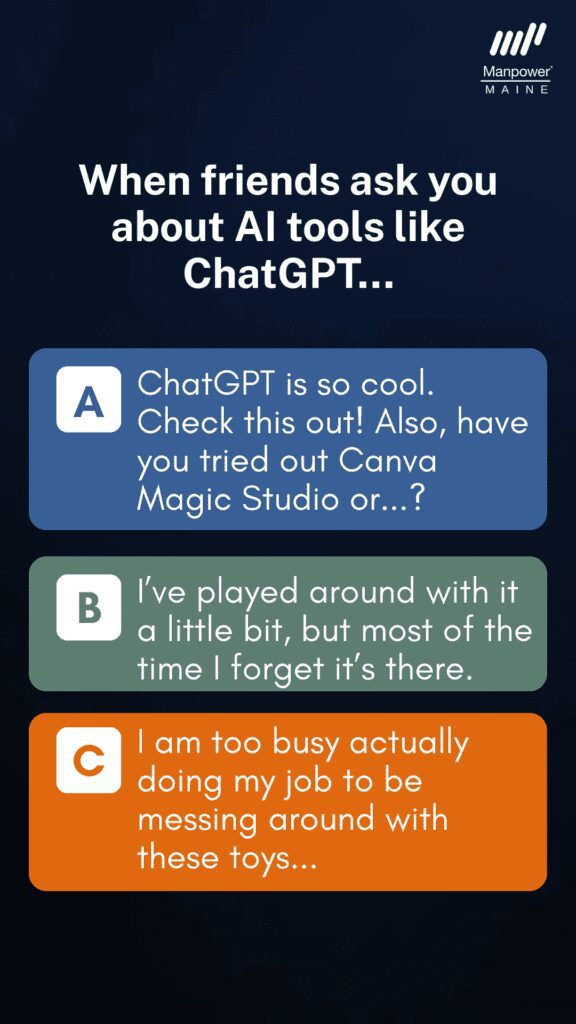
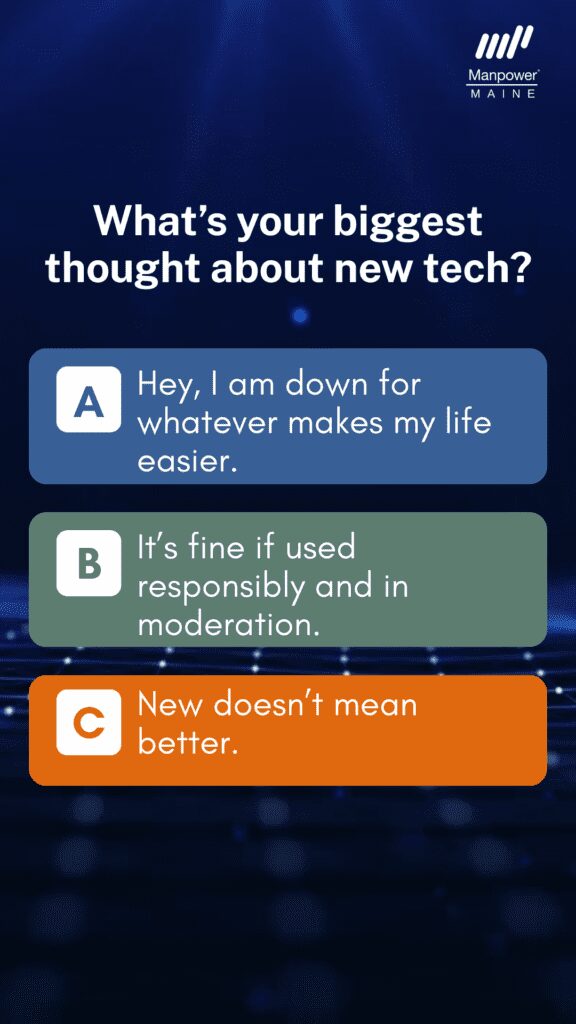
Technology sparks both excitement and skepticism — especially across generations. Some dive headfirst into AI and the latest tools, eager to automate and optimize. Others hesitate, wondering if we’re relying too much on machines and losing critical thinking along the way. This divide can lead to real friction in the workplace, especially as teams span Baby Boomers to Gen Z.

A scenario we can all relate to

A hiring committee reviewing a new batch of resumes. One team member immediately notices that several applications sound eerily similar — polished, keyword-optimized, and lacking a personal voice. “These were clearly written by AI,” someone says, raising an eyebrow. A debate follows: Is it smart to use tools to refine your resume? Or does it diminish the authenticity and effort behind the application?

Some committee members argue that leveraging AI shows resourcefulness — a skill in itself. Others worry it masks real communication ability or critical thinking. The room splits, not just by opinion, but subtly along generational lines. What one group sees as efficiency, the other sees as cutting corners. The tech itself isn’t the problem — it’s how we interpret its use.

So how do we bridge the gap? And how can we use technology like AI to enhance collaboration rather than deepen the disconnect? Below are a few strategies to help navigate this evolving digital landscape — with balance, awareness, and mutual respect.

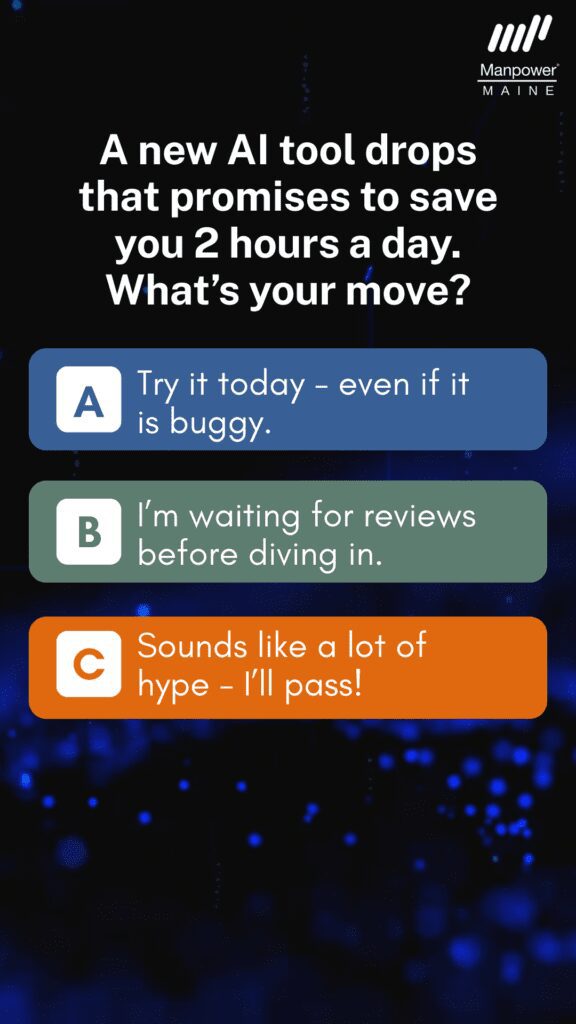
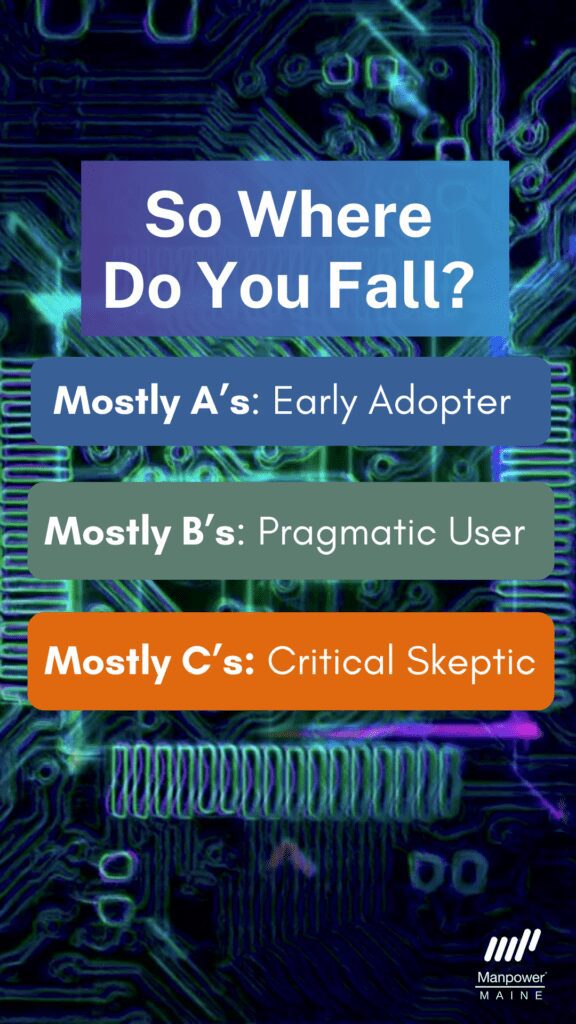
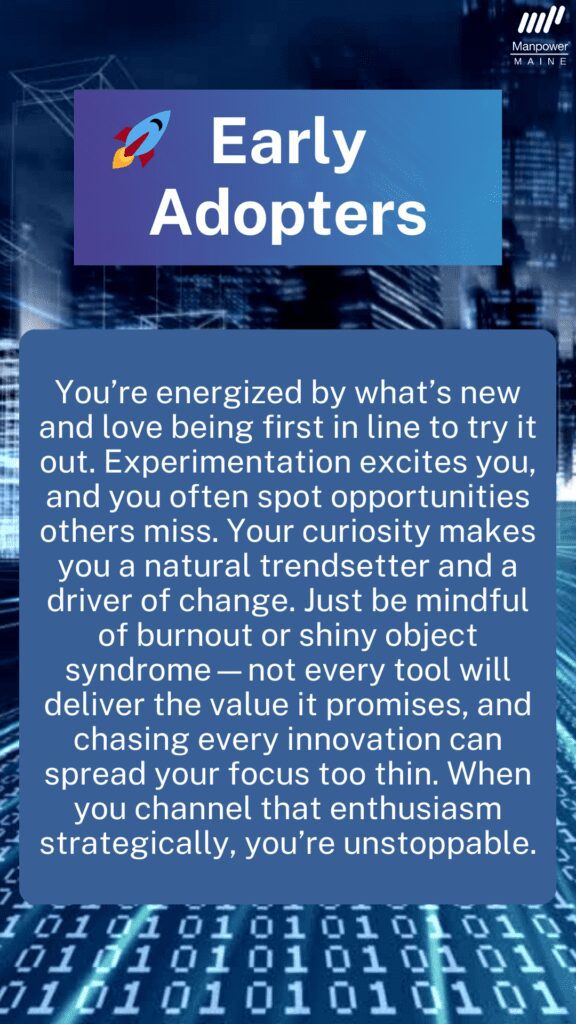
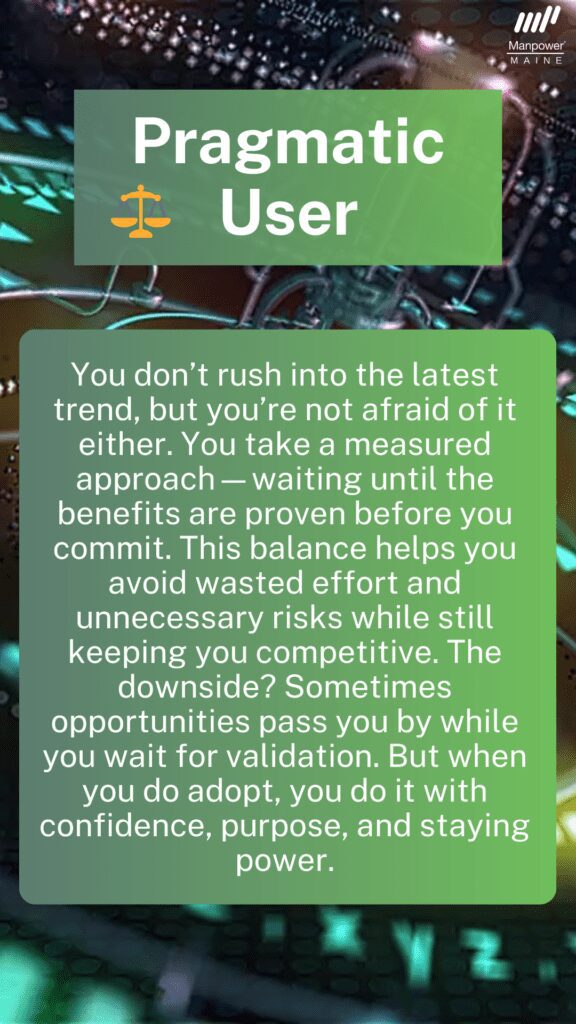
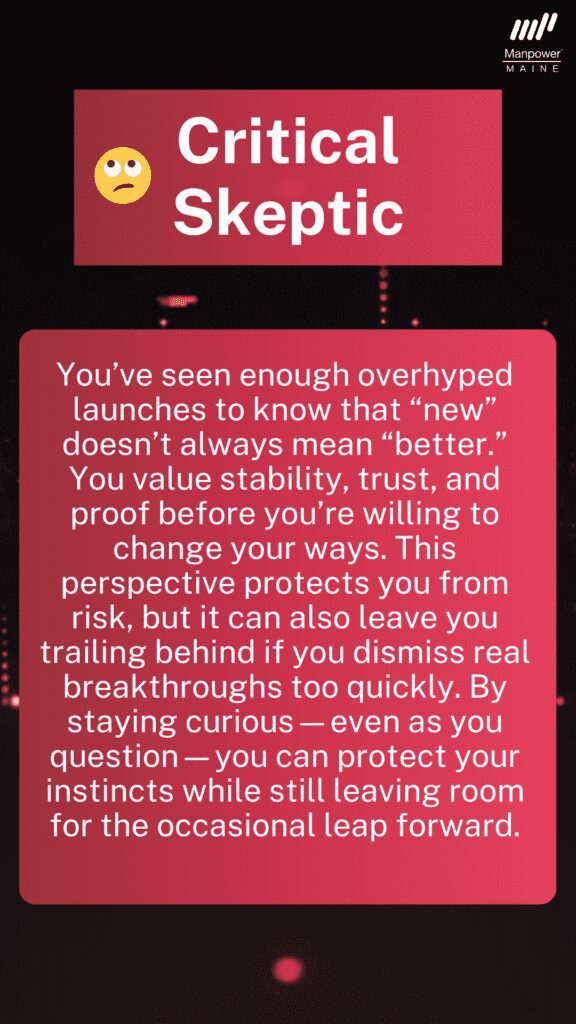
The Early Adopters vs. The Skeptics

Every workplace has them.

  • The early adopters, who enthusiastically jump into the latest apps, tools, and AI platforms. They automate emails, generate content with AI, and are constantly looking for ways to do more with less.

Potential Challenge: When early adopters move too quickly, there’s a risk of quality issues from poorly vetted automation and unexpected downtime that stems from overly accelerated workflows.

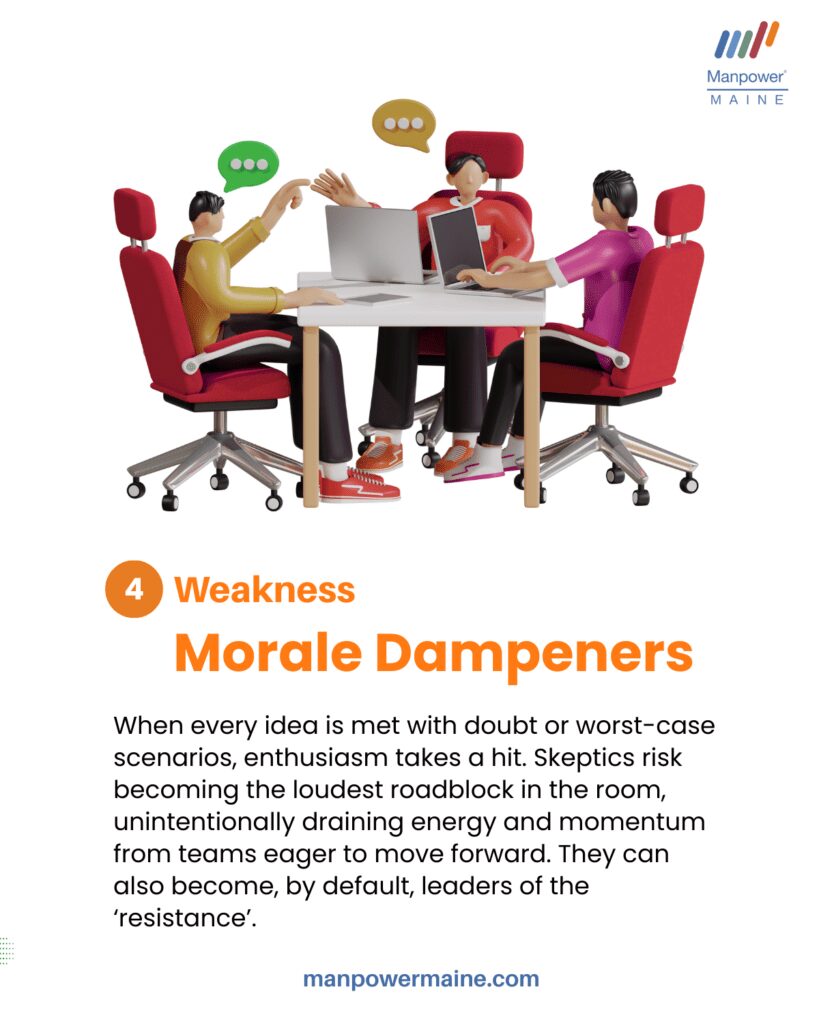
  • The skeptics, who value traditional processes, worry about over-reliance on machines, and often question whether AI tools are actually improving outcomes — or just creating shortcuts that bypass critical thinking.

Potential Challenge: Resistance to change can sometimes stem from a sense that long-standing methods are being replaced or undervalued, which can feel personal, even if that’s not the intent.

These groups often split along generational lines, but not always. While younger professionals tend to embrace digital tools quickly, there are seasoned professionals who are just as curious — and younger ones who are deeply skeptical of where all this is going.

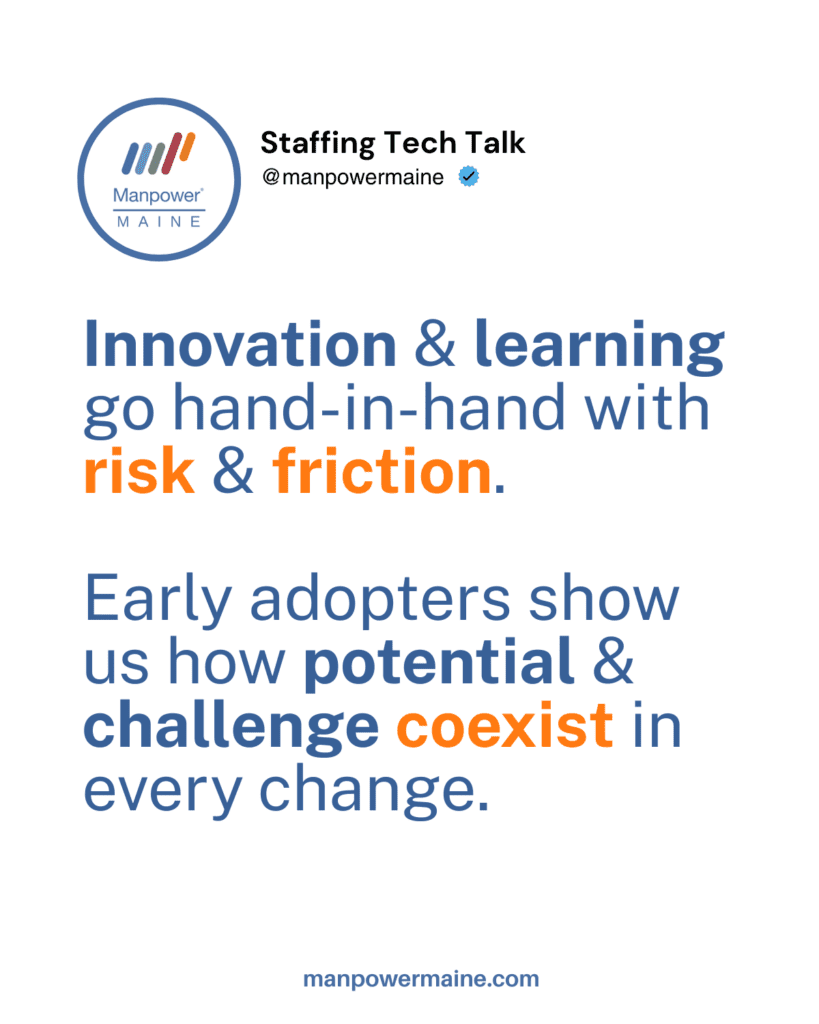
The point is: neither side is necessarily right or wrong. But the tension between them is real.
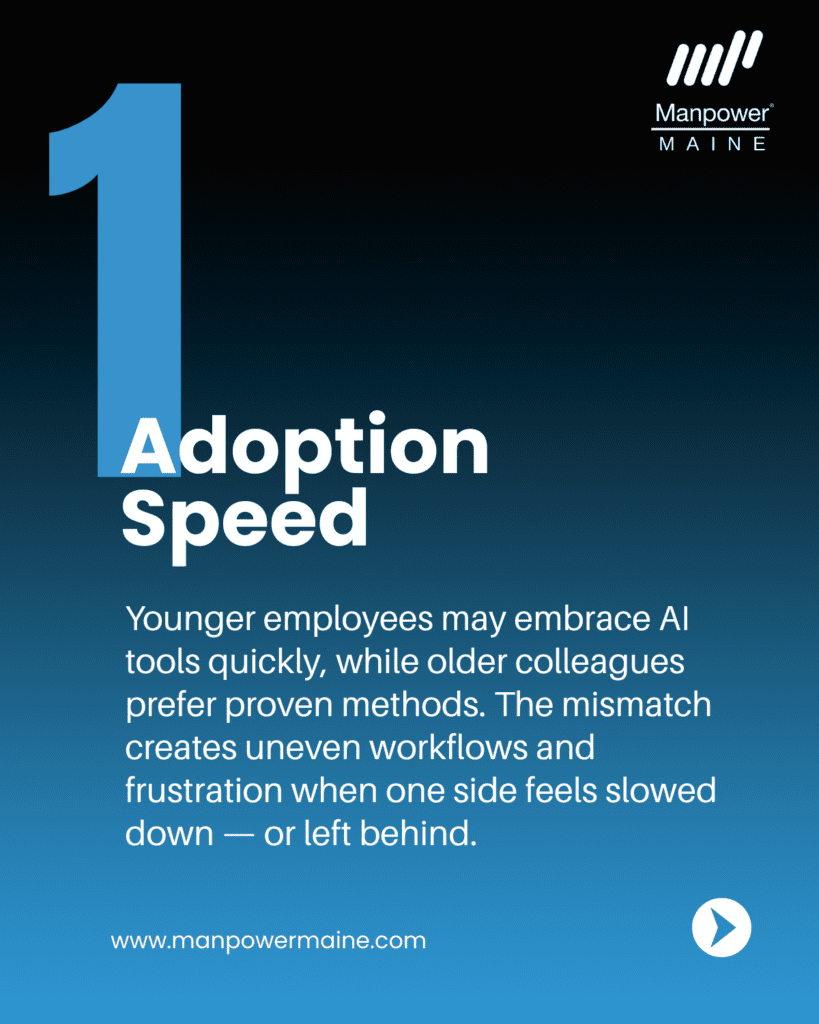
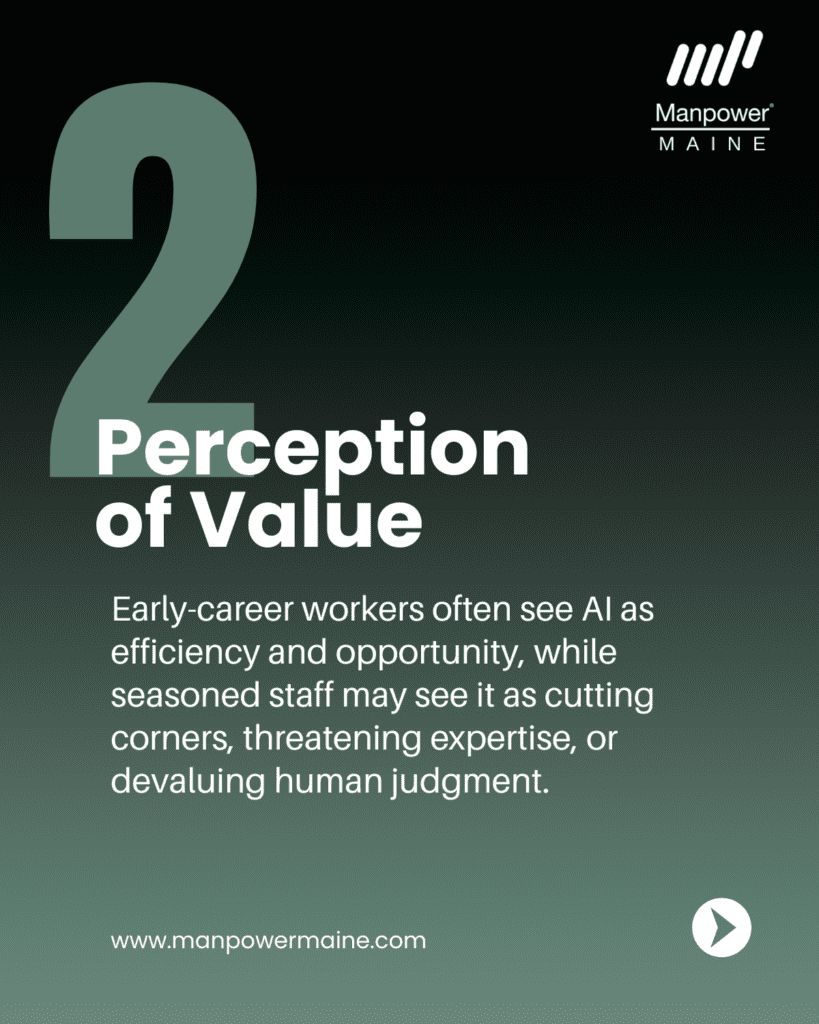
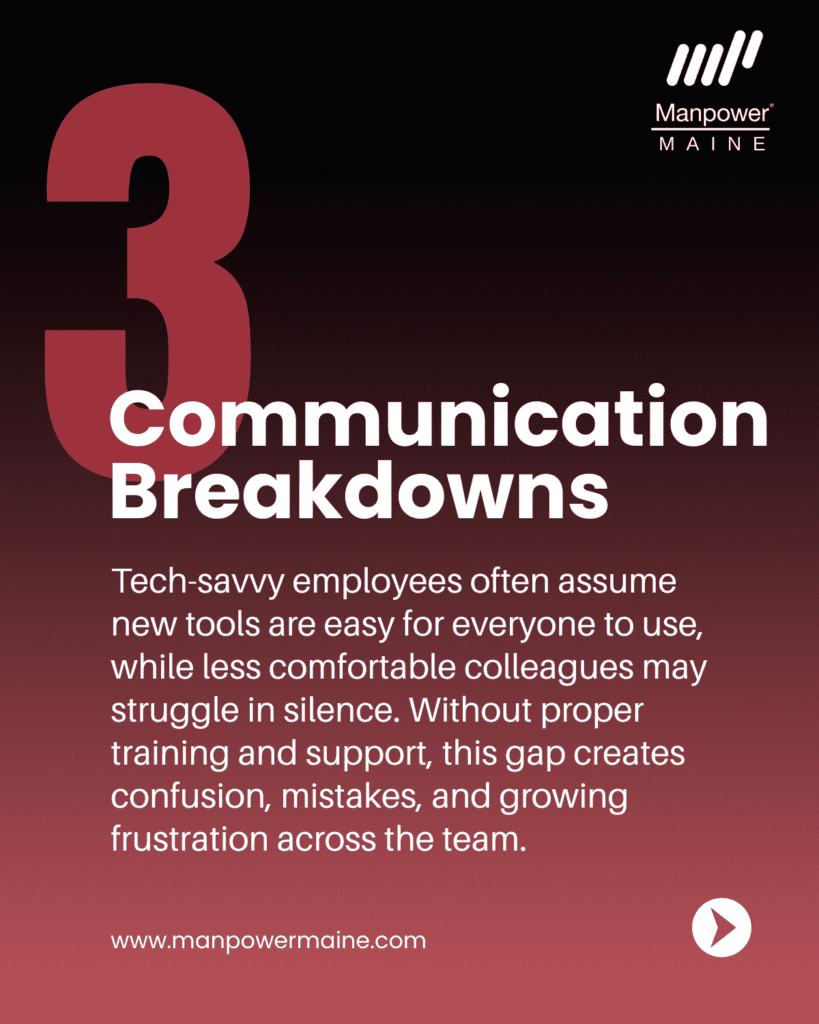
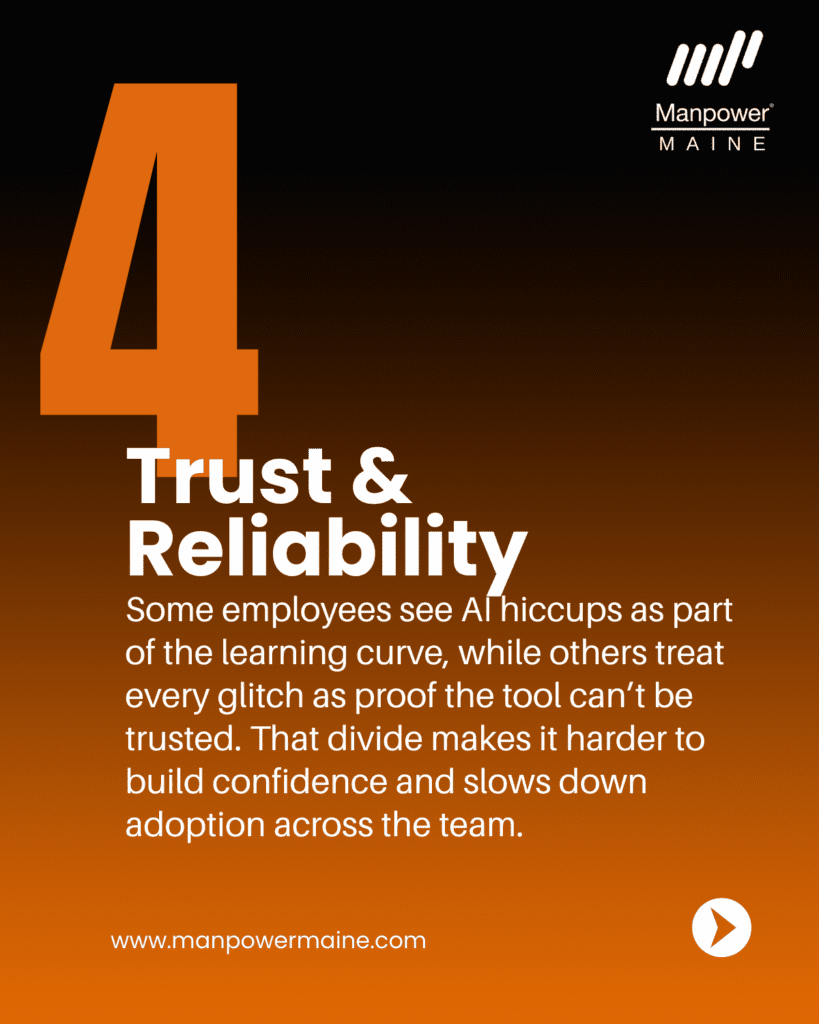
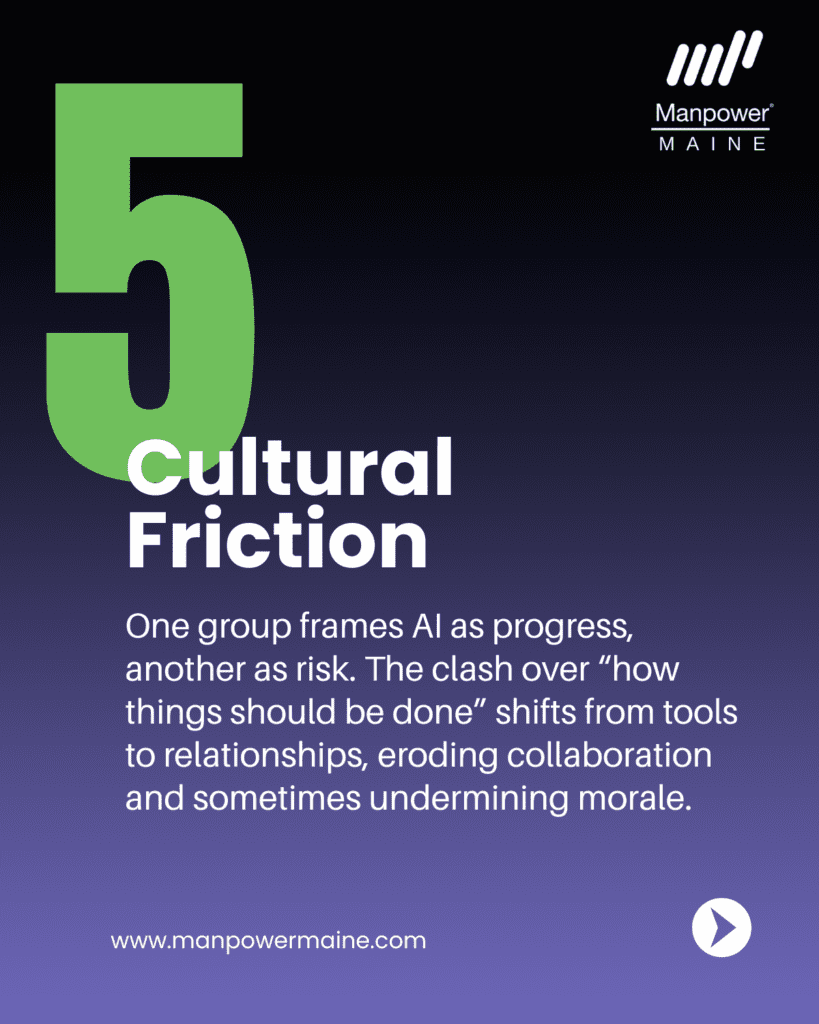
5 Ways the generational Divide Shows Up in the WorkplaceWhy the Disconnect Matters

The gap in comfort levels with tech — especially AI — can create:

  • Miscommunication: Tech-savvy employees may assume everyone’s on the same page when introducing new tools, leading to confusion or resistance.
  • Slowed adoption: Projects involving new tech can stall if a portion of the team feels left behind or unheard.
  • Overuse or misuse: On the flip side, early adopters may rely too heavily on AI tools, sacrificing quality or originality in favor of speed.
  • Cultural friction: When one generation sees AI as progress and another sees it as threat, collaboration suffers.
  • Trust issues: For those already hesitant, even a small hiccup can feel like validation that technology isn’t reliable, making future buy-in even harder to achieve.

It’s not just about who uses the latest tools. It’s about how people perceive change, and how those perceptions impact team dynamics.

Strategies to Bridge the Gap

To move forward, we don’t need to choose sides. We need to find balance — and that starts with creating space for dialogue, empathy, and shared learning.

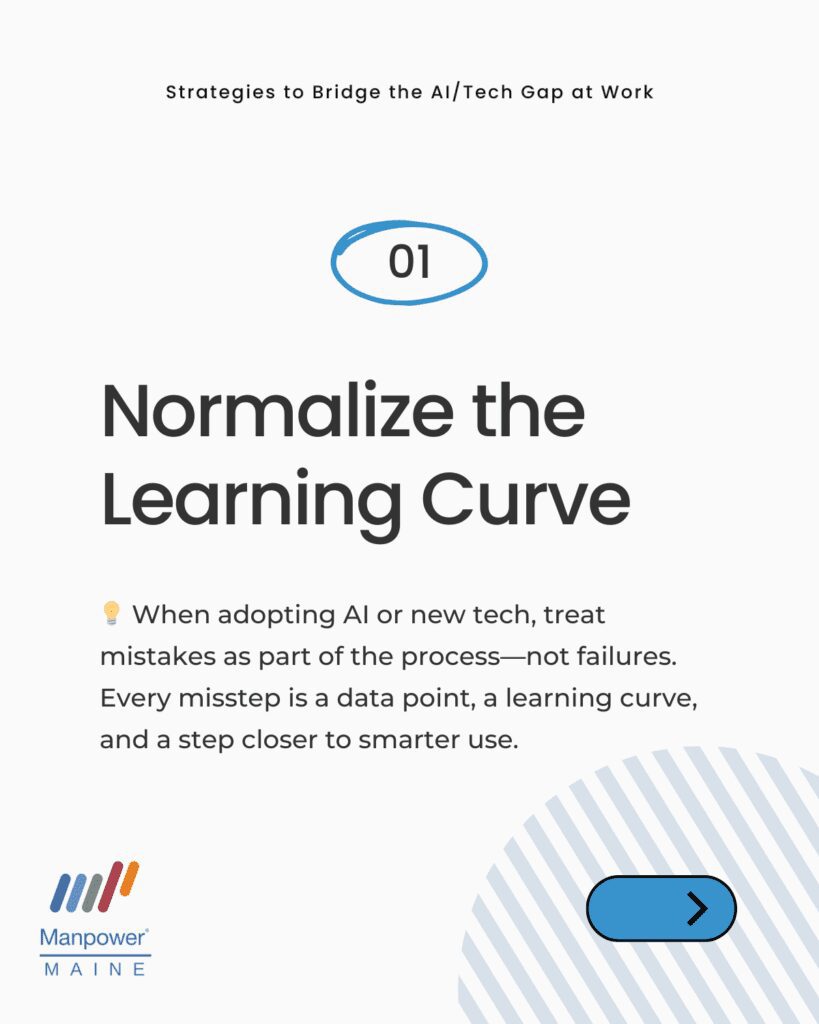
Normalize the Learning Curve

Not everyone will master new tools on day one — and that’s okay. This is evolving technology, and we’re all learning together. Hiccups will happen, but they’re part of the process. When we take time to reflect and correct, even glitches help us and the tech improve.

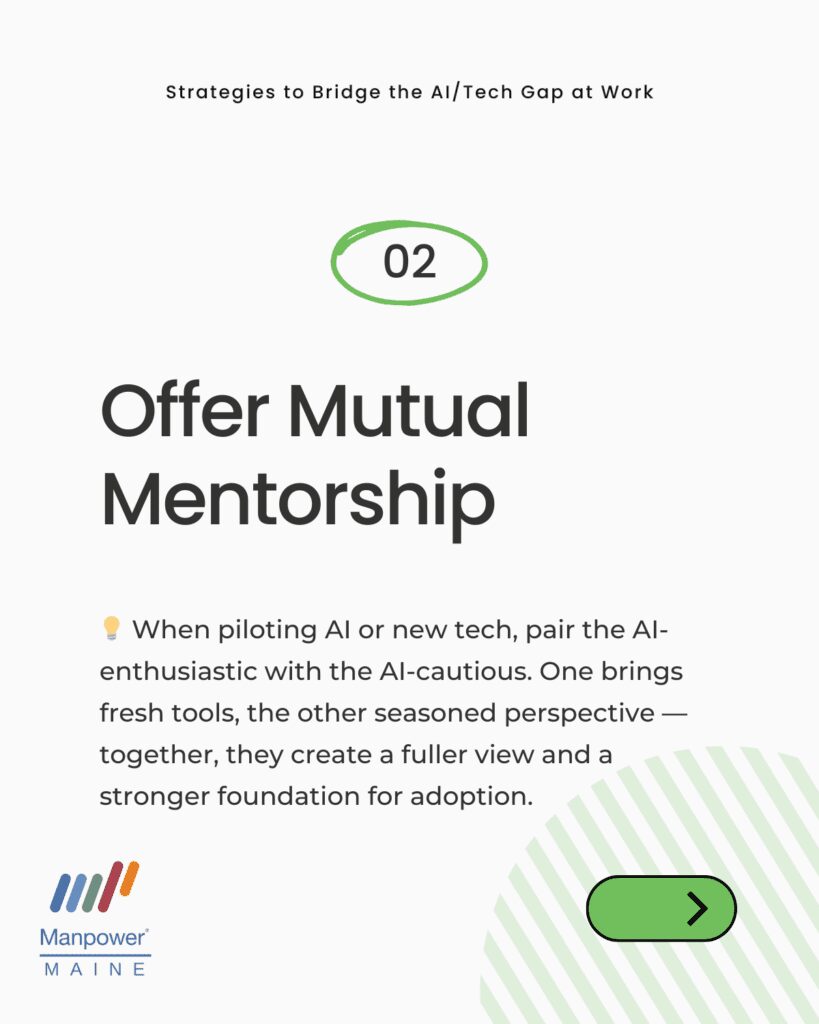
Encourage Cross-Generational Mentorship

Pair AI enthusiasts with those who are more hesitant. Let the knowledge flow both ways — technical skills in one direction, and critical thinking, domain expertise, and caution in the others

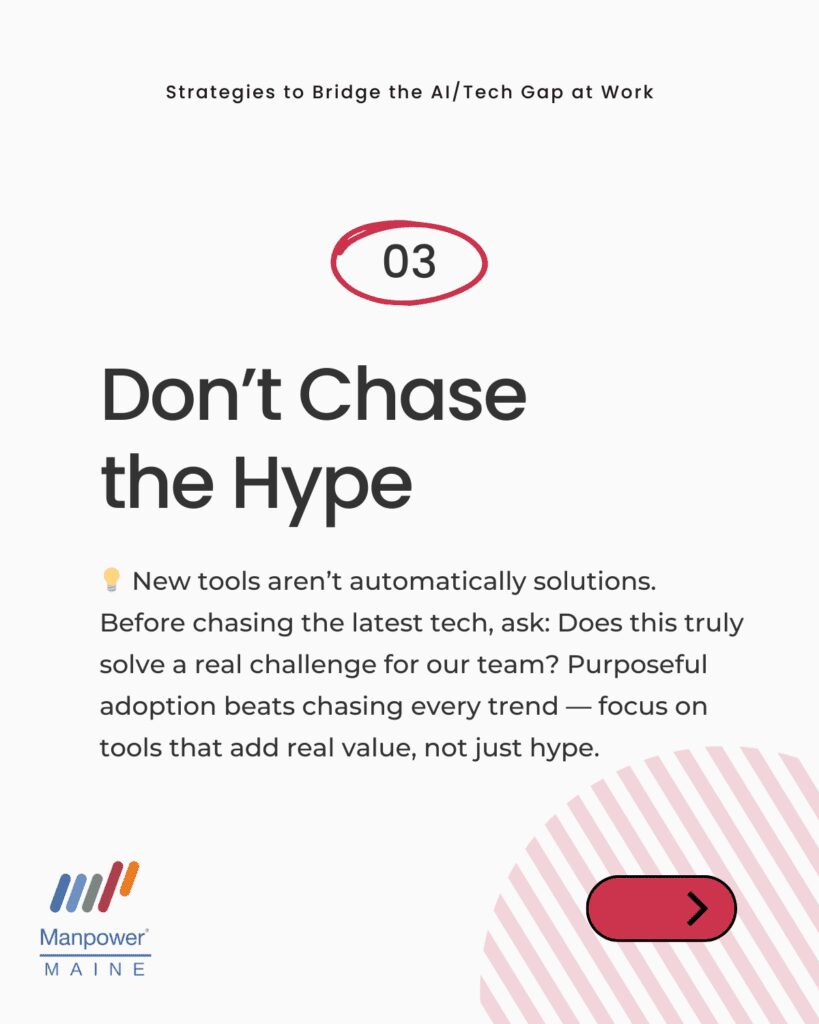
Avoid the Hype Trap

Just because a new tool exists doesn’t mean it’s right for your team. Set a culture of thoughtful adoption, where purpose comes before novelty

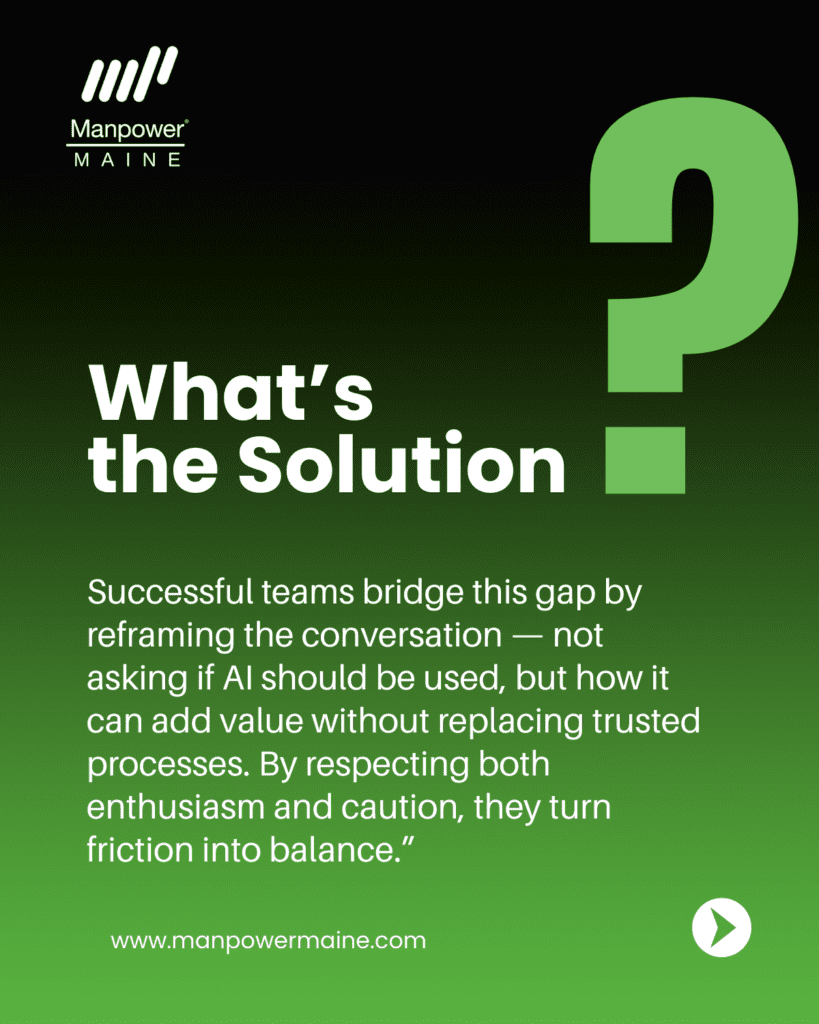
Reframe the Conversation

Instead of asking “Are you using XYZ yet?”, ask “How could XYZ help make this process better?” or “Where should we still rely on current processes?” This shifts the focus from pressure to curiosity

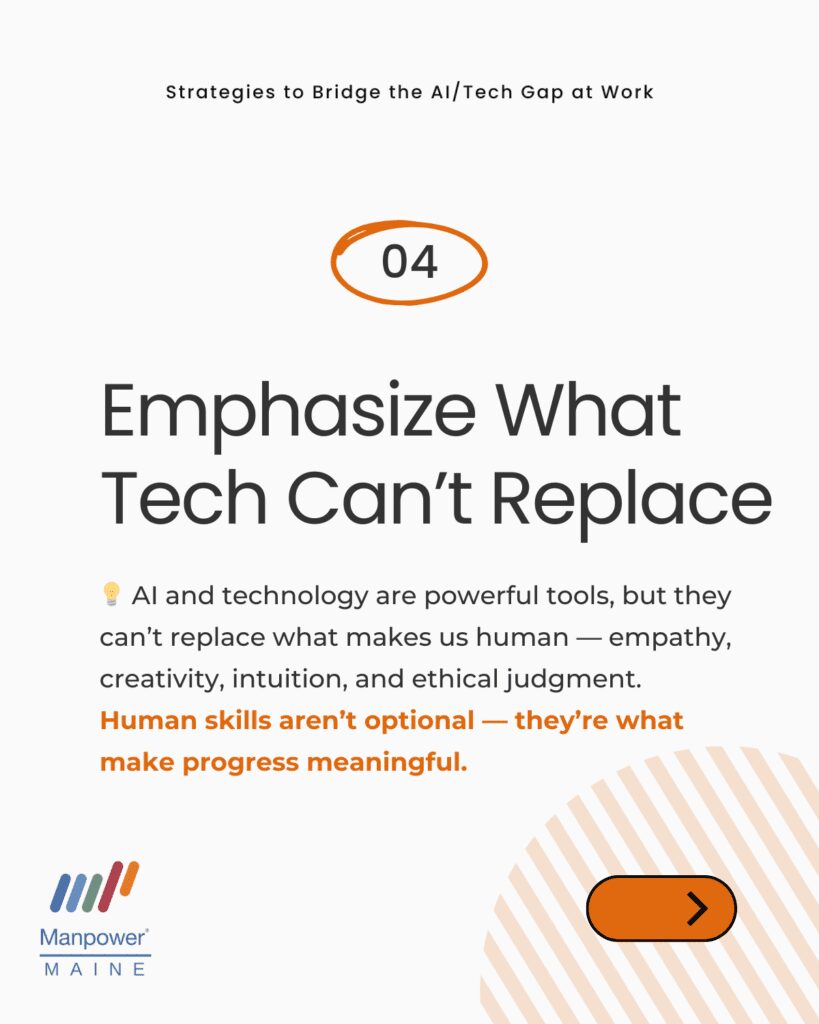
Emphasize What Technology Can’t Replace

Technology is powerful, but it doesn’t replace emotional intelligence, creative intuition, or ethical judgment. Always celebrate and protect the human skills that matter most.

Final Thoughts: It’s Not a Race — It’s a Relationship

Technology isn’t slowing down — and neither is the conversation around it. The goal isn’t to convince everyone to adopt every tool, or to pump the brakes on progress. It’s to build a workplace culture that respects differing perspectives, learns together, and uses technology intentionally.

Whether you’re excited by the promise of AI and evolving technologies or cautious about the implications, one thing is clear: we need all voices at the table. Because when generations listen to — and learn from — one another, we don’t just adapt to change. We shape it.

Oh, and just in case you are wondering… This article itself is a small example of balance — drafted by a human, refined with AI, and finished with human judgment.
 

Additional Related Content

Latest News

Deputy Judicial Marshal Inquiry Form

Deputy Judicial Marshal Inquiry
Thank you for your intereste in Deputy Judicial Marshal positions, please fill out this quick form to help us know a little bit more about you and your experience and a Recruiter will be in touch about next steps.
Drag & Drop Files, Choose Files to Upload
Please upload a copy of your resume. If you do not have one handy we can get that from you at a later date.
Latest News

Maine Career Exploration Business Inquiry

Early Childhood Education Paid Internship
Latest News

Daycare Classroom Aide – Paid Youth Intern

Daycare Classroom Aide – Paid Youth Internship

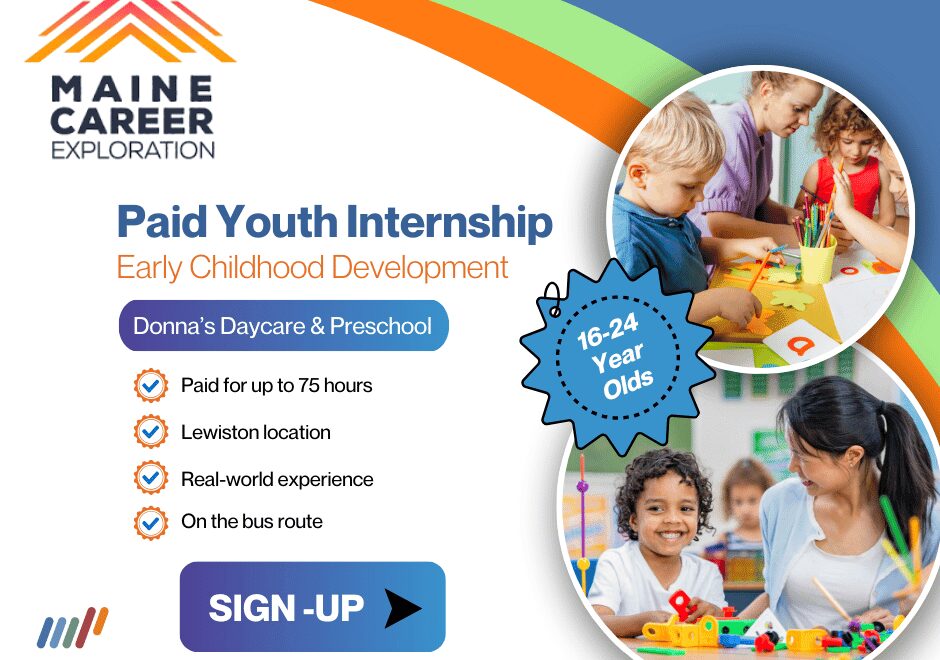
Are you age 16-24 and interested in exploring a career in early childhood education or childcare? We have exciting opportunities available with Donna’s Daycare in Lewiston, Maine through the Maine Career Exploration Program.

This innovative program is part of the Maine Jobs and Recovery Plan. It offers age-appropriate paid work opportunities to youth ages 16-24 to support career exploration that lines up with areas of interest.

What Paid Interns Receive:

  • Up to 75 hours of paid work experience at $14.65 per hour (Nearly $1100 pre-tax)
  • Opportunity to get real-world experience in a childcare setting
  • Chance to make community connections with leading area childcare providers
  • A fun and energetic work environment
  • Excellent resume builder for college applications or future work experience

What You Will Be Doing:

  • Job-shadowing with a dedicated team of childcare professionals
  • Working with children ages 0-12, learning how childcare processes differ between age groups
  • Supporting child development through engaging activities
  • Keeping an eye on behaviors and addressing them with guidance of classroom teachers

Schedules Available:

  • After school options between the hours of 2-5:30p for 16-18 year olds
  • Full & partial-day options for 18+ and during school breaks

Interested in exploring a career in early childhood development or childcare? Simply express your interest by filling out this quick contact form and we will be in touch.

Latest News

Tips for Ensuring a Safe Workplace

Ensuring that your workplace is safe is an absolute must for any organization. By doing so, you are not only safeguarding your employees from potential hazards, but also fostering a positive work environment that enhances productivity and reduces the likelihood of accidents and injuries. Here are some practical workplace safety tips to help you improve safety measures in your own workplace.

The tips below are not all inclusive but rather are simple best practices to help you get started.

Establish a Safe Culture in the Workplace

Creating a safe workplace culture is essential for all organizations. The key to achieving this is to build an environment where everyone, from top management to frontline employees, values and prioritizes safety. Encouraging open communication channels, providing regular safety training, and setting clear protocols for reporting potential hazards or accidents are all important steps to take. By making safety a shared responsibility, you can develop a workplace where all employees actively contribute to maintaining a secure and hazard-free environment.

Conduct Regular Risk Assessments

Conducting regular risk assessments plays a crucial role in identifying potential hazards and preventing risks effectively. It is important to evaluate all aspects of the workplace, such as equipment, machinery, work processes, and environmental factors. By doing so, you can develop effective strategies to eliminate or reduce potential hazards. Make sure to conduct periodic risk assessments, especially when introducing new equipment or implementing changes to the work environment.

Provide Ongoing Employee Safety Training and Education

To ensure the safety of your employees, it’s important to provide them with proper training. Comprehensive safety training programs should be implemented, covering topics such as emergency procedures, equipment usage, handling hazardous materials, and ergonomic practices. When it comes to safety, avoid a one-and-done approach and offer ongoing training to ensure that employees are up-to-date with the latest safety best practices and regulatory requirements.

Supply Personal Protective Equipment (PPE)

Personal Protective Equipment is a crucial component of workplace safety. Assess the hazards present in the workplace and provide appropriate PPE to employees. Whether it’s safety helmets, goggles, gloves, or protective clothing, ensure that employees have access to the necessary gear and understand how to use it correctly. Regularly inspect and replace worn-out or damaged PPE to maintain its effectiveness. To maintain its effectiveness, conduct regular inspections and replace any worn-out or damaged PPE.

Promote Ergonomic Practices in the Workplace

Ergonomic hazards, such as repetitive strain injuries and musculoskeletal disorders, can significantly impact employee well-being. Educating employees on the importance of proper ergonomic practices, such as maintaining good posture, using ergonomic furniture, and taking regular breaks, can help reduce these risks. It is also a good idea to conduct ergonomic assessments to identify potential hazards and make necessary adjustments to workstations.

Encourage Reporting & Learning from Incidents:

To ensure a safe working environment, it’s vital to create a culture where employees feel comfortable reporting accidents, near-misses, or potential hazards without fear of retaliation. To begin, establish an incident reporting system, then investigate all incidents and near-misses thoroughly, taking appropriate corrective actions. By analyzing incidents, organizations can identify patterns, implement preventative measures, and continuously enhance safety in the workplace.

Workplace safety isn’t just a legal or ethical requirement – it’s also a strategic choice that can benefit both your organization and employees. By cultivating a safety-conscious culture, conducting routine risk assessments, offering relevant training, and enforcing necessary safety precautions consistently, you can establish a secure and productive work environment. Keep in mind, a safe workplace is a thriving workplace.

Looking for Some Support with Your Safety Program?

Manpower has an experienced Safety Manager who can come to your facility to help with risk assessments, training, plant tour to provide a full report of potential risks/hazards. Contact us today to learn more about leveraging our safety expertise for your gain!


Latest News

Workplace Safety is a Shared Responsibility

A safe and secure workplace not only protects you from harm but also promotes productivity, job satisfaction, and overall success. As we continue to navigate the ever-changing landscape of work, it is crucial that we all reaffirm our commitment to workplace safety.

Adhere to all Safety Guidelines:

Familiarize yourself with the safety protocols and guidelines established by your organization. These guidelines exist to protect you and your colleagues. Make sure you understand them thoroughly and follow them diligently. If you have any questions or concerns, don’t hesitate to reach out to your supervisor or the designated safety officer.

Maintain a Clean and Organized Workspace:

A clutter-free and well-organized workspace not only enhances productivity but also reduces the risk of accidents and injuries. Keep your work area clean, properly store equipment, and promptly report any hazards or potential risks to the appropriate authorities.

Report Incidents and Near-Misses:

Reporting incidents and near-misses is crucial for identifying potential hazards and implementing preventative measures. If you witness an accident, unsafe condition, or near-miss, report it to your supervisor or the designated reporting channels immediately. Your timely reporting can prevent future incidents and ensure the safety of everyone in the workplace.
Utilize Personal Protective Equipment (PPE):

Depending on the nature of your work, you may be required to wear personal protective equipment (PPE) such as safety helmets, goggles, gloves, or masks. It is essential to wear and maintain your PPE properly to safeguard yourself and others. Regularly inspect your equipment, replace damaged items, and store them in designated areas when not in use.

Stay Informed About Safe Work Practices:

Stay up-to-date with the latest safety practices and procedures by attending all safety training sessions that are offered to you. Take advantage of those opportunities to enhance your understanding of safety protocols and share your knowledge with colleagues.
By adhering to safety guidelines, maintaining a clean workspace, promptly reporting incidents, utilizing personal protective equipment, and fostering a culture of safety, we can ensure a secure and productive work environment. Remember, safety is not an individual effort but a collective endeavor that benefits us all. Let’s work together to prioritize workplace safety and create a safer future for everyone.

Decorative Image
Latest News

Making the Transition from Student to Staff

Congratulations Graduates!

Decorative ImageGraduation is the start of a new chapter; it marks the beginning of a new phase of life. It is a time of excitement, anticipation, and nervousness as young adults enter the workforce and start their careers. Transitioning from student to staff can be challenging, but it also presents opportunities for growth and development. With hard work and determination, new graduates can achieve success and make a positive impact in their chosen field.

Making the transition from being a student to a staff member can be a challenging experience. Here are some simple tips that can help you make a successful transition:

Network with colleagues

Building relationships with your colleagues can help you feel more comfortable in your new role. Take the time to get to know people in your department and attend social events to build your network.

Ask for feedback

When you’re new to a job, it’s important to seek feedback to help you improve. Don’t be afraid to ask your supervisor or colleagues for constructive criticism and use that feedback to make adjustments as needed.

Learn about the company culture

Every workplace has its own unique culture, so take the time to learn about the norms and values of your new organization. This can help you feel more comfortable and confident in your role.

Set realistic goals

As you begin your new role, it’s important to set realistic goals for yourself. Take the time to assess what you want to achieve in the short and long-term, and work with your supervisor to develop a plan to achieve those goals.

Take care of yourself

Starting a new job can be stressful, so it’s important to take care of yourself both physically and mentally. Make sure you’re getting enough sleep, eating healthy, and taking breaks throughout the day to recharge. Additionally, consider finding a mentor or joining a support group to help you navigate the challenges of your new role.

How Manpower can help

Decorative imageAt Manpower, we understand that transitioning from student to staff can be a daunting experience. That’s why we offer a range of services to support you in this journey. Here are some ways in which we can help:

Career advice

We can provide guidance on career paths that align with your skills, interests, and goals. Our team of experts can help you explore different industries and job roles and assist you in creating a career plan that works for you.

Job search support

We have access to a wide network of employers and job opportunities. We can help you refine your job search, prepare your resume and cover letter, and provide interview coaching and feedback. Most importantly we will connect you directly with employers who will be a good match for you.

Onboarding and support

Once you’ve secured a job, we will assist you with the onboarding process and provide ongoing support as you settle into your new role. We’ll be there to answer any questions you have and offer advice on how to succeed in your position.

Ongoing learning

We offer our associates a range of training and development programs to help you acquire new skills and knowledge. Whether you’re looking to upskill in your current field or transition into a new one, we have resources to support you.

At Manpower, our goal is to help you achieve your career aspirations and make a successful transition from student to staff. Get in touch with us today to learn more about how we can support you in this journey.


Latest News

Dialing Down Workplace Stress

Guess what? Even your dream job is going to have its fair share of stress. It’s an unavoidable reality.  Whether it is the pressure of deadlines, an upcoming performance review, a gaggle of loud customers, process/technology changes, or an annoying co-worker – stress will be part of the job. Not all stress is bad, a little stress can propel your performance. The long-term effects of stress and the anxiety that comes along with it can have a negative impact on your overall health and well-being. 

Since you cannot realistically eliminate workplace stress, your next best step is to finding ways to dial it down! Here are a few tried and true tips in honor of April being National Stress Awareness Month to help you do just that. 

Fuel Your Body 

Our stress buttons are bigger and brighter when we are not getting our basic needs met. This means it isn’t surprising that your body and nervous system are going to be on high alert if it isn’t nourished. The first thing you can do to mitigate stress is to keep your body fueled through good nutrition, exercise, and sleep. So, get that blood moving, curb those hunger pains, and snuggle into a warm blanket to turn down that inner volume.  

Get Yourself Organized 

Another strategy to turn down your internal sirens is by leaning into your executive functioning skills. These are core mental skills that will help to keep you focused and moving in the right direction. So, grab a calendar, pad of paper, tablet, or some sticky-notes and make a plan. Make a list of what is stressing you out and make a list of what you need to get done. How are you spending your time? Can you adjust it to better serve your current situation? Keep your workspace organized and be sure you have ease of access to the tools you need to get the job done.  

Limit Unnecessary Distractions 

Perhaps some of your stress is being magnified by the noise of unnecessary distractions. This includes getting yourself caught up in workplace drama, watercooler gossip, or the rabbit hole that is social media. By limiting your exposure to unnecessary distractions, you are not letting that negative energy influence your mood and increase your stress level. So, give yourself permission to take a break from toxic people and social media.  

Practice Regular Selfcare 

Days are long, but life is short. Make yourself a priority. As adults we often lose ourselves in a sea of responsibilities. It is critical to your overall wellness to practice regular selfcare. What is selfcare? That is entirely based on individual preference. What makes you feel whole? What feeds your soul? Make time for yourself, whatever it is.  

Seek Professional Support 

Look, life is hard. Sometimes, despite your best efforts to mitigate, manage, or reduce stress you fall short of doing so. Many health issues can be attributed to sustained stress and anxiety and the best possible thing you can do is access professional support. Seeking guidance is a sign of strength and is an incredible opportunity to build yourself a toolbox filled with a full range of tools to help you deal with the many stressors that affect your life. You can find several resources here if you need: https://211maine.org/mental-health/ 

Remember, stress is a normal part of life and there are many simple things you can do starting right now to minimize its negative impact on your daily life. Focus on what you can control and develop strategies to drown out the noise of the stuff you can’t.